
Marine Turbocharger Maintenance, Cleaning & Overhaul: A Complete Guide
A marine turbocharger plays an essential role in improving diesel engine performance, supporting efficient combustion, and maintaining reliable vessel operations. By using energy from exhaust gases to compress incoming air, the turbocharger supplies the additional air required for effective fuel combustion in marine diesel engines.
Over time, carbon deposits, oil contamination, salt particles, and other impurities can accumulate on the compressor and turbine sides. These deposits may reduce turbocharger efficiency, increase exhaust gas temperatures, lower scavenge air pressure, and contribute to higher fuel consumption. If maintenance is neglected, the resulting mechanical stress can lead to premature wear, unplanned repairs, and costly vessel downtime.
At Sindhu Marine FZE, we supply marine turbocharger spare parts and components for a range of established turbocharger manufacturers, helping shipowners, ship managers, marine engineers, and repair facilities source parts for maintenance and overhaul requirements.
This guide explains marine turbocharger maintenance procedures, cleaning methods, common performance problems, inspection requirements, overhaul planning, and spare parts selection.
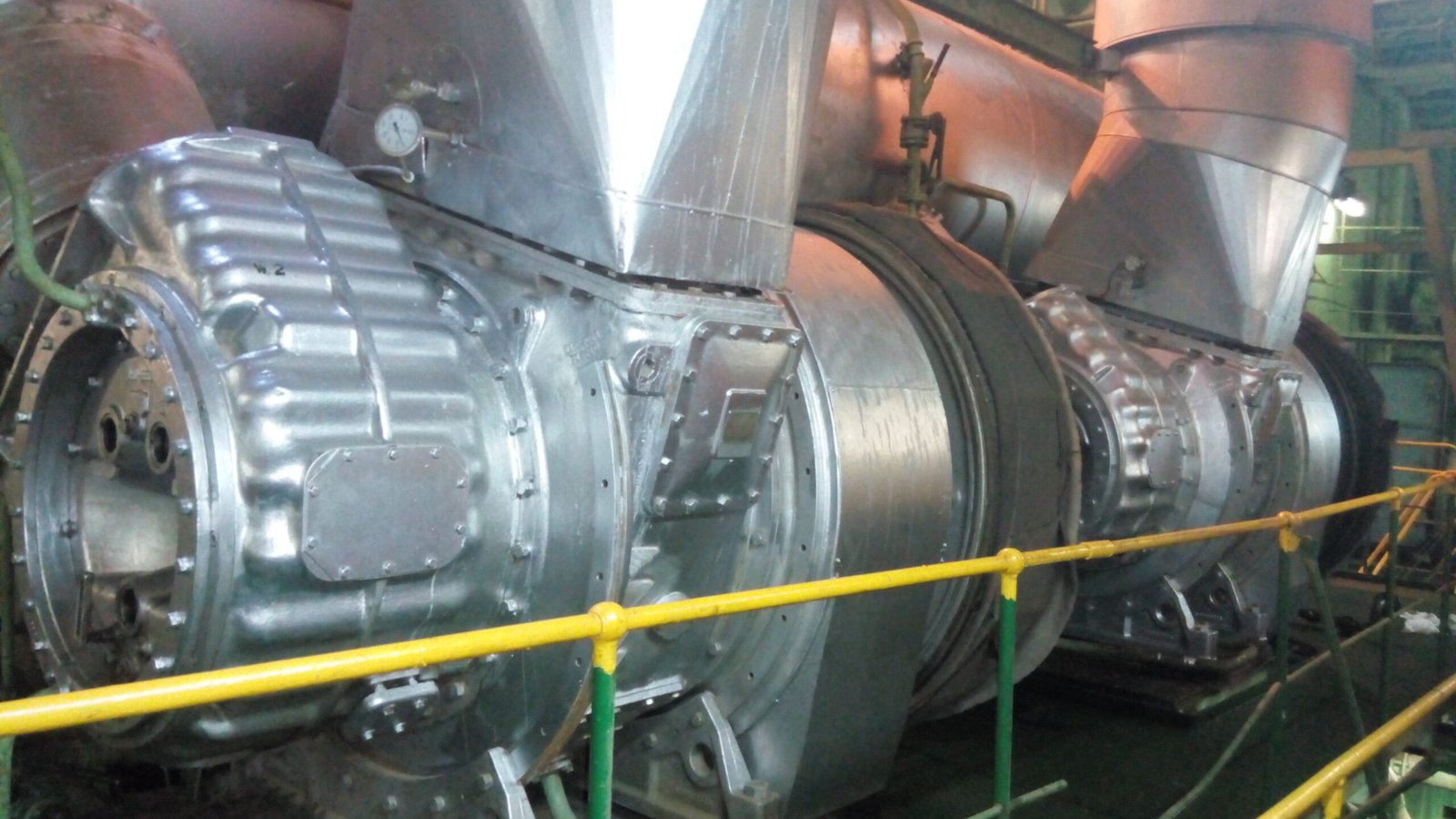
A turbocharger operates under high rotational speeds, elevated exhaust temperatures, and demanding engine-room conditions. Regular inspection helps identify contamination, abnormal operating conditions, and component deterioration before they develop into more serious problems.
Proper maintenance can help to:
- Maintain adequate scavenge air pressure and engine performance.
- Support efficient fuel combustion and reduce avoidable fuel consumption.
- Control exhaust gas temperatures within the engine maker’s operating limits.
- Reduce compressor and turbine fouling.
- Identify abnormal vibration, bearing wear, and rotor damage.
- Minimise unexpected machinery shutdowns and repair costs.
- Extend the service life of turbocharger components.
The maintenance schedule should always follow the turbocharger manufacturer’s instructions, the engine manufacturer’s recommendations, and the vessel’s planned maintenance system.
2. Important Turbocharger Parameters to Monitor
Monitoring operating parameters helps engineers recognise performance changes and identify potential problems.
Turbocharger speed
Compare turbocharger speed with the established baseline at a similar engine load. Unexpected changes may indicate fouling, changes in engine operating conditions, gas leakage, or mechanical problems.
Scavenge air pressure
Low scavenge air pressure may result from compressor fouling, restricted air filters, air cooler contamination, exhaust-side deposits, or other engine-related problems.
Exhaust gas temperature
Monitor exhaust temperatures before and after the turbine, where measurements are available, and compare individual cylinder readings. Abnormal temperatures may indicate combustion problems, turbocharger fouling, or an imbalance between cylinders.
Air filter differential pressure
An increasing pressure drop across the filter may indicate contamination or restriction. Inspect and clean or replace filter elements according to the manufacturer’s instructions.
Lubricating oil pressure and temperature
Where applicable, check the turbocharger’s lubricating oil supply, pressure, temperature, level, and oil condition. Abnormal readings require investigation before continued operation.
Vibration and unusual noise
Changes in vibration, rubbing sounds, or unusual turbocharger noise may indicate rotor imbalance, bearing deterioration, foreign object damage, or contact between rotating and stationary components.
Maintenance tip: Record engine load, operating hours, ambient conditions, and relevant temperatures alongside turbocharger readings. Comparing measurements under similar conditions makes performance trends more meaningful.
3. Common Causes of Marine Turbocharger Fouling
Turbocharger fouling occurs on both the compressor and turbine sides, but the causes and cleaning requirements differ.
Compressor-side fouling
The compressor draws air into the engine’s charging system. Contamination may originate from:
- Oil mist and airborne particles in the engine room.
- Salt and moisture in the intake air.
- Dust and cargo-related particles.
- Contaminated or damaged air filtration components.
- Oil leakage or problems with sealing arrangements.
Possible effects: Reduced compressor efficiency, lower scavenge air pressure, increased air temperature, poor combustion, and deposits that may contribute to rotor imbalance.
Turbine-side fouling
The turbine uses exhaust gas energy to drive the compressor wheel. Deposits may develop due to:
- Soot from incomplete combustion.
- Prolonged operation under unsuitable low-load conditions.
- Ash and contaminants associated with fuel quality.
- Deposits on turbine blades and nozzle rings.
- Excessive cylinder oil carryover or other combustion-related contamination.
Possible effects: Reduced exhaust gas flow, lower turbocharger speed, elevated exhaust temperatures, reduced charging air pressure, and an increased risk of unstable operation.
Cleaning alone will not resolve every performance problem. Fuel injection faults, air cooler restrictions, exhaust back pressure, and mechanical deterioration must also be investigated when necessary.
4. Marine Turbocharger Cleaning Methods
The appropriate cleaning method depends on the turbocharger model, the location and type of deposits, and the manufacturer’s approved procedure.
A. Turbine-side water washing
Turbine water washing helps remove suitable deposits from the exhaust gas side during operation.
The general procedure involves:
- Confirming the approved washing procedure and operating conditions.
- Informing the bridge and coordinating any required engine-load adjustment.
- Reducing engine load to the level specified by the manufacturer.
- Checking that the designated casing drains are clear.
- Introducing the specified quantity of clean water using the approved washing equipment.
- Monitoring the washing process and drainage.
- Allowing the turbine to dry according to the prescribed procedure.
- Recording operating readings and washing details.
Water washing must not be performed at an arbitrary load or temperature. Incorrect procedures can cause thermal stress, inadequate cleaning, or mechanical damage. Always follow the specific manufacturer’s instructions.
B. Compressor-side water washing
Compressor washing removes suitable deposits from the compressor wheel and associated air passage surfaces.
The procedure generally requires:
- Using the approved washing system and specified water quality.
- Following the manufacturer’s instructions for engine load and turbocharger operating conditions.
- Applying the prescribed water quantity and duration.
- Monitoring engine and turbocharger parameters.
- Checking for any abnormal vibration or operating changes.
- Recording the results after washing.
Excessive or incorrectly applied water can create operating problems. Compressor washing must therefore be carried out using the correct procedure for the installed turbocharger.
C. Turbine-side dry cleaning
Some turbocharger models support dry cleaning using an approved cleaning granulate introduced through a dedicated system.
This method can help remove suitable deposits without the same thermal effects associated with water washing. However, the granulate type, particle size, quantity, injection duration, and permissible engine load must follow the manufacturer’s instructions.
Dry cleaning is not a substitute for opening and inspecting a heavily fouled or mechanically damaged turbocharger.
D. Manual cleaning during overhaul
When the turbocharger is dismantled, the relevant components can be inspected and cleaned using approved methods.
Manual cleaning may be required for:
- Turbine blades and nozzle rings.
- Compressor wheels and diffuser passages.
- Casing surfaces and gas passages.
- Oil passages and approved reusable components.
Cleaning must not damage blade profiles, precision surfaces, coatings, seals, or bearing components. Damaged or worn parts should be assessed against the manufacturer’s inspection criteria.
5. Common Marine Turbocharger Problems and Troubleshooting
Recognising performance symptoms early helps engineers determine whether cleaning, further engine checks, or mechanical inspection is required.
Low scavenge air pressure
Possible causes:
- Fouled compressor wheel.
- Restricted air filter.
- Contaminated air cooler.
- Fouled turbine or nozzle ring.
- Exhaust gas leakage.
- Incorrect engine operating conditions.
Recommended action: Compare turbocharger speed and scavenge pressure with baseline readings. Inspect the air and exhaust gas paths before deciding on the required maintenance.
High exhaust gas temperature
Possible causes:
- Turbine-side deposits.
- Poor fuel injection or combustion.
- Cylinder imbalance.
- Excessive engine load.
- Restricted air supply.
- Exhaust system restrictions.
Recommended action: Compare individual cylinder temperatures, check air supply and exhaust conditions, and investigate engine-related causes.
Turbocharger surging
Surging is an unstable compressor operating condition that can produce repeated barking, pulsation, or unusual noise.
Possible causes:
- Fouled compressor or turbine components.
- Restricted scavenge air passages.
- Rapid engine-load changes.
- Engine overload under prevailing conditions.
- Exhaust gas restrictions.
- Damaged or worn turbocharger components.
Recommended action: Follow the vessel’s engine-room procedures, inform the bridge, and adjust engine load as required by the approved operating instructions. Repeated surging at steady load requires prompt investigation. Do not continue operating through repeated surging without assessing the risk.
Abnormal vibration or noise
Possible causes:
- Rotor imbalance.
- Bearing wear.
- Foreign object damage.
- Deposits distributed unevenly around the rotor.
- Blade damage or internal rubbing.
- Loose foundations or mounting components.
Recommended action: Investigate abnormal vibration and noise promptly. If rotor damage, internal contact, or bearing failure is suspected, follow the maker’s shutdown and inspection instructions.
Oil leakage or oil contamination
Oil around the turbocharger may be associated with sealing arrangements, oil supply or drainage restrictions, incorrect oil level, or operating conditions.
Recommended action: Check the applicable lubrication system, oil return arrangement, seals, and manufacturer-specific diagnostic guidance. Do not assume that replacing a seal alone will correct the underlying cause.
6. Marine Turbocharger Inspection: What Should Be Checked?
A scheduled inspection or overhaul should include the checks specified for the particular model and operating history.
Rotor and wheel inspection
- Inspect turbine and compressor blades for cracks, erosion, deformation, and foreign object damage.
- Check for rubbing marks and uneven deposits.
- Examine accessible shaft and sealing areas.
- Assess rotor condition using the manufacturer’s inspection criteria.
- Arrange approved balancing after applicable rotor repairs or component replacement.
Bearing inspection
- Examine plain bearings for scoring, wear, and deterioration of bearing material.
- Inspect rolling-element or cartridge bearings according to the manufacturer’s requirements.
- Check lubricating oil passages and supply arrangements.
- Record relevant wear measurements and replace components when required.
Nozzle ring and turbine casing
- Inspect nozzle ring passages for blockage, erosion, and cracking.
- Examine accessible turbine casing areas for damage.
- Check exhaust connections, supports, and expansion arrangements.
- Inspect cooling spaces where applicable.
Clearances and measurements
- Measure axial and radial clearances using the specified method.
- Record the readings and compare them with the model-specific limits.
- Document the condition of the components before and after overhaul.
- Retain photographs and measurement records for future comparison.
Clearance values, wear limits, inspection methods, and acceptance criteria vary by turbocharger model. Do not use a generic measurement as a replacement for the manufacturer’s technical documentation.
7. Marine Turbocharger Overhaul: Key Steps
A turbocharger overhaul requires proper planning, qualified personnel, suitable lifting arrangements, and the correct replacement components.
Step 1: Prepare for the overhaul
Confirm the turbocharger model and serial number, review operating history, identify the required spare parts, and arrange any approved workshop or maker attendance.
Step 2: Isolate the equipment
Stop the engine and follow the vessel’s isolation, cooling, lubrication, and safety procedures. Ensure the equipment is safe to dismantle.
Step 3: Dismantle according to the manual
Follow the approved sequence and record component positions, assembly arrangements, and any relevant identification marks.
Step 4: Clean and inspect components
Clean components using approved methods. Inspect the rotor, bearings, seals, nozzle ring, compressor wheel, turbine casing, and other applicable parts.
Step 5: Measure and document
Record the relevant clearances, wear measurements, damage, and component condition. Compare the results against the applicable technical limits.
Step 6: Replace required components
Install the specified replacement bearings, seals, gaskets, and other parts as required by the inspection findings and overhaul instructions.
Step 7: Reassemble and test
Complete assembly, verify the prescribed tightening and lubrication arrangements, and perform the required checks and tests. Confirm acceptable operating readings before returning the equipment to service.
How often should a marine turbocharger be overhauled?
There is no single overhaul interval suitable for every marine turbocharger. The interval depends on the model, maker’s recommendations, operating hours, service conditions, inspection findings, and maintenance history.
Use the manufacturer’s specified interval and condition-based inspection requirements when planning an overhaul.
8. Essential Marine Turbocharger Spare Parts
9. Why Choose Sindhu Marine FZE for Marine Turbocharger Spare Parts?
Sindhu Marine FZE is a UAE-based marine spare parts supplier supporting shipowners, ship management companies, marine repair facilities, and international trading companies.
Our turbocharger spare parts scope includes components and service kits for selected marine and industrial turbocharger applications.
We assist customers with:
- Genuine and OEM spare parts enquiries: Supply options are assessed according to the requested manufacturer, part number, and application.
- Turbocharger overhaul components: Support for bearings, seals, nozzle rings, rotor assemblies, and overhaul kits.
- Technical identification: Assistance with evaluating nameplates, equipment models, serial numbers, and part specifications.
- Quotation support: Commercial offers based on the requested specifications and confirmed availability.
- International supply: Coordination of spare parts deliveries for customers in different locations.
Our objective is to help customers identify suitable marine turbocharger spare parts for their maintenance, repair, and overhaul requirements.
Deck & Maintenance Operations
Having the correct spare parts available can help reduce maintenance delays and support planned overhauls.
Depending on the turbocharger model and scope of work, commonly required components include:
- Turbocharger rotor assemblies.
- Turbine wheels and compressor wheels.
- Nozzle rings and diffuser components.
- Bearing bushes and bearing assemblies.
- Thrust bearings and associated components.
- Labyrinth seals and sealing components.
- Gasket sets and O-rings.
- Complete overhaul and service kits.
- Casing components and other model-specific parts.
Marine turbocharger brands supported by Sindhu Marine
Sindhu Marine FZE supports spare parts requirements for selected turbocharger models and series from manufacturers including:
Availability, compatibility, manufacturer origin, and supply condition depend on the requested part and specific equipment model.
When requesting a quotation, provide the turbocharger nameplate, model, serial number, part number, required quantity, and vessel details where applicable. These details help us assess the requirement and identify the appropriate supply option.
- Chipping, drilling, buffing, spray painting.
- High-pressure water jet cleaning.
- Pneumatic pumps (e.g., Weldon pump).
- General cleaning and mechanical work.
Ship Systems
- Fog horn and ship whistle operation.
- Pressurizing hydrophore system for freshwater supply.
- Aeration of sewage treatment plants.
- Lifeboat air motors (for hoisting arrangements).
Purpose of the Air Bottle (Air Receiver)
- Starting air for engines
- Control and safety air
- Service air for daily operations
- Air for quick-closing valves
- Spring air for exhaust valves
Air bottles ensure stable and reliable air supply at all times.
To help us process your enquiry efficiently, please provide the following information:
- Turbocharger manufacturer and model.
- Turbocharger nameplate photograph.
- Serial number and equipment details.
- Required part numbers and descriptions.
- Quantity required.
- Vessel name and IMO number, or power plant name and location, where applicable.
- Required delivery location and expected delivery date.
Please specify whether you require genuine manufacturer parts, OEM parts, or an alternative option for assessment. The available options and applicable documentation will depend on the specific enquiry.
Our team will review the information and respond with a quotation based on the identified requirements and confirmed supply details.
Frequently Asked Questions
How often should a marine turbocharger be cleaned?
Cleaning frequency depends on the turbocharger model, fuel quality, operating profile, deposit formation, and manufacturer’s recommendations. Follow the approved washing schedule and monitor performance trends to determine whether additional inspection is necessary.
What are the signs of a fouled turbocharger?
Common indicators include reduced scavenge air pressure, abnormal exhaust temperatures, changes in turbocharger speed, increased fuel consumption, and unstable compressor operation. These symptoms can also arise from engine or air cooler problems, so the cause should be confirmed.
Can turbocharger cleaning resolve every performance problem?
No. Cleaning may improve performance when deposits are responsible, but it cannot correct worn bearings, damaged blades, excessive clearances, cracks, or deteriorated seals. Mechanical defects require appropriate inspection and repair.
Which spare parts are commonly required during a turbocharger overhaul?
Depending on the model and inspection findings, common requirements include bearing assemblies, seals, gaskets, nozzle rings, rotor components, and complete service or overhaul kits.
Does Sindhu Marine supply genuine and OEM turbocharger spare parts?
Sindhu Marine FZE handles enquiries for genuine and OEM marine turbocharger spare parts, subject to the specific model, requested part, source, and availability. Please share the nameplate and part details so the applicable supply options can be assessed.
What information is required to identify the correct turbocharger spare parts?
A clear nameplate photograph, turbocharger model, serial number, part number, description, and required quantity are useful starting points. Vessel or power plant details may also be needed for certain enquiries.
Conclusion
Marine turbocharger maintenance is essential for supporting efficient combustion, reliable engine performance, and dependable vessel operations. Regular monitoring, correct cleaning procedures, systematic inspection, and timely overhaul help identify potential problems before they lead to more extensive repairs.
Selecting the correct replacement components is equally important. Accurate equipment identification and compliance with the manufacturer’s specifications help reduce the risk of incorrect parts and unnecessary maintenance delays.
Looking for marine turbocharger spare parts?
Contact Sindhu Marine FZE for enquiries about turbocharger bearings, nozzle rings, rotor assemblies, compressor and turbine components, seals, and overhaul kits.
SINDHU MARINE FZE
Marine Spare Parts Supplier
Ajman Free Zone, C1 Building, Ajman, UAE
Email: info@sindhumarine.com
For inquiries or spare parts support, contact Sindhu Marine FZE—your trusted partner in marine engine and compressor solutions.