Main Engine Low Scavenge Air Pressure – Causes, Troubleshooting & Solutions

1.Introduction

Scavenge air pressure is one of the most important operating parameters of a marine two-stroke & four stroke main engine. 

Proper scavenging ensures sufficient fresh air enters the cylinder, removes exhaust gases, and supports complete fuel combustion.

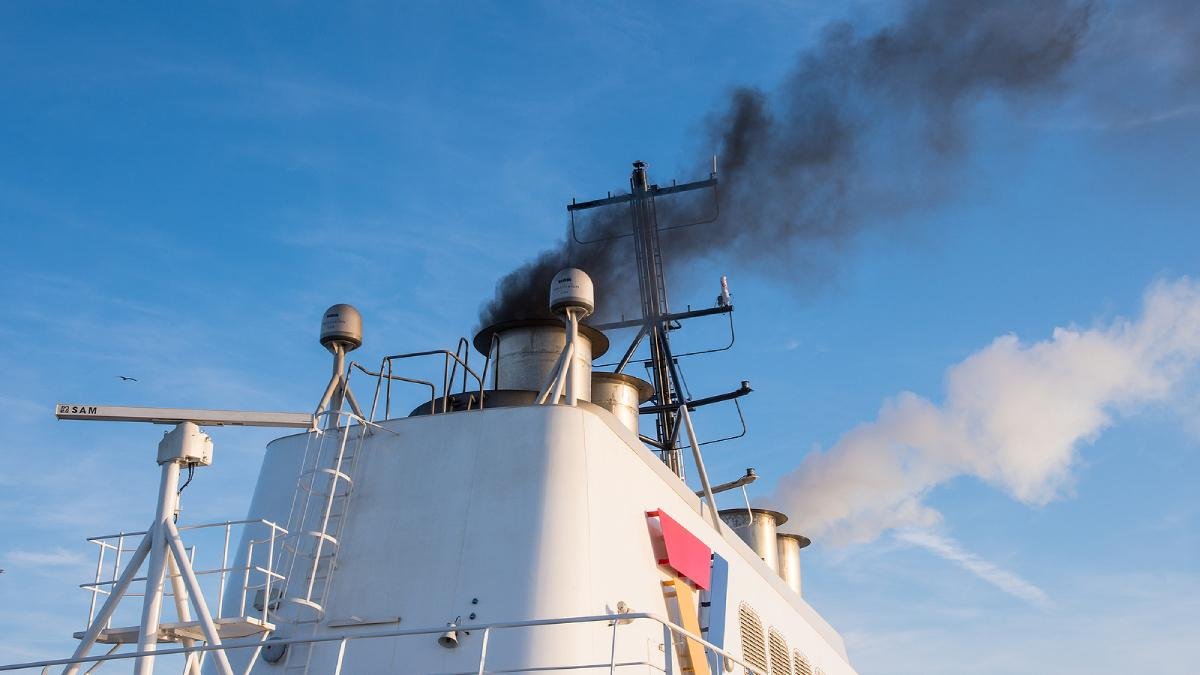
When scavenge air pressure drops below the normal operating range, engine performance decreases significantly. If ignored, it may lead to high exhaust temperatures, black smoke, increased fuel consumption, turbocharger surging, and even scavenge fires. Maintaining adequate scavenge pressure is essential for safe, efficient, and reliable engine operation.

2.What is Scavenge Air Pressure?

Scavenge air pressure is the compressed air supplied by the turbocharger (or auxiliary blower at low loads) into the scavenge receiver before entering each cylinder.

Its main functions are:

  • Remove burnt exhaust gases
  • Supply fresh oxygen for combustion
  • Cool engine components
  • Improve fuel efficiency
  • Reduce emissions

3. Typical Symptoms of Low Scavenge Pressure

Typical symptoms include:

  • Low scavenge pressure alarm
  • High exhaust gas temperature
  • Black exhaust smoke
  • Engine power loss
  • Increased fuel consumption
  • Turbocharger surging
  • Engine overload
  • Slow acceleration

These symptoms are commonly associated with reduced air supply, turbocharger issues, air leaks, or fouled intake components.

4. Troubleshooting Table

ProblemPossible CauseRecommended Solution
Low Scavenge PressureTurbocharger compressor fouledClean compressor wheel and turbine
Low PressureDirty air filterReplace or clean filter
Low PressureAir cooler blockedChemical cleaning or overhaul
Low PressureExhaust gas leakageRepair exhaust manifold leakage
Low PressureStuffing box leakageRenew sealing rings
Low PressureTurbocharger damageInspect bearings and rotor
Low PressureAuxiliary blower failureRepair motor or non-return flap
Low PressureEngine room negative pressureImprove ventilation

Most of these faults reduce the air available for combustion or prevent the turbocharger from generating sufficient boost.

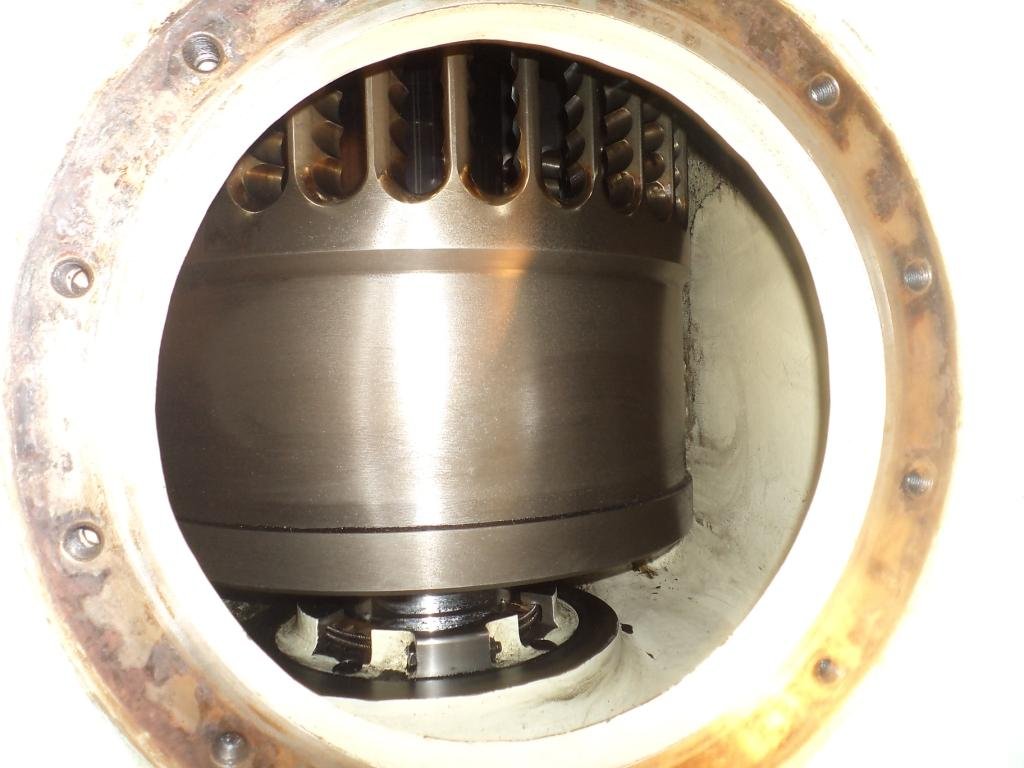
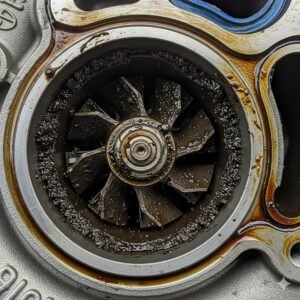
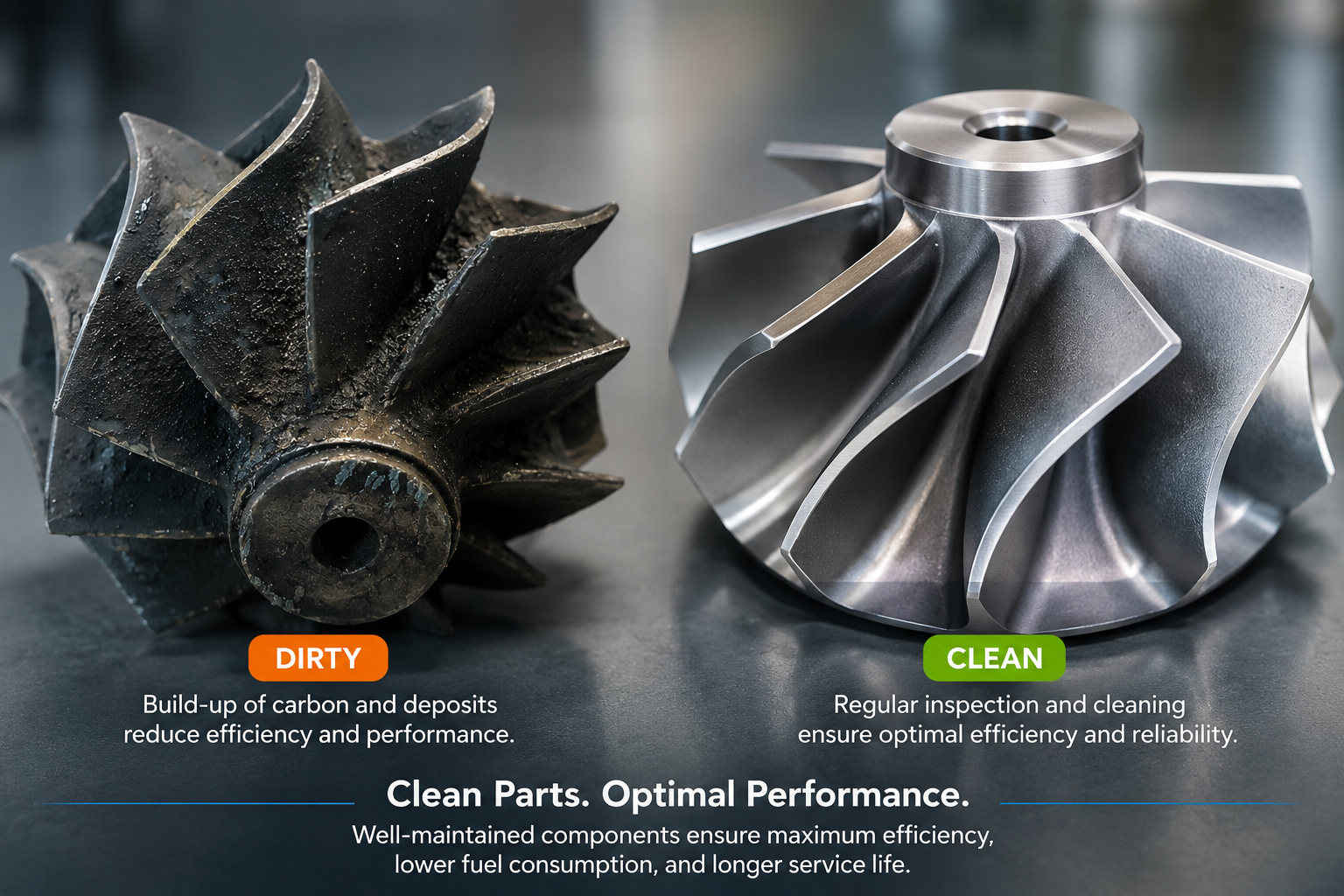
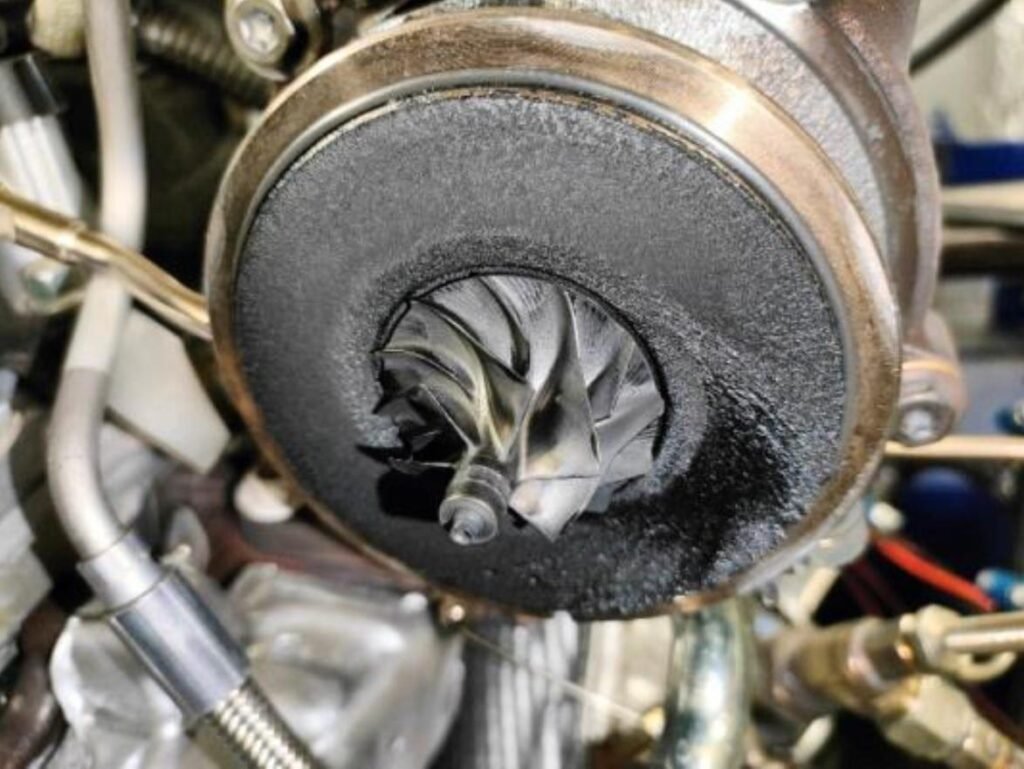
5. Dirty Turbocharger parts

Symptoms

  • Low boost pressure
  • High exhaust temperature
  • Black smoke

Cause

Dirt, oil deposits, or carbon accumulation reduce turbocharger efficiency.

Solution

  • Water washing
  • Compressor cleaning
  • Turbine overhaul
  • Rotor balancing

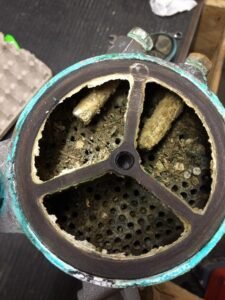
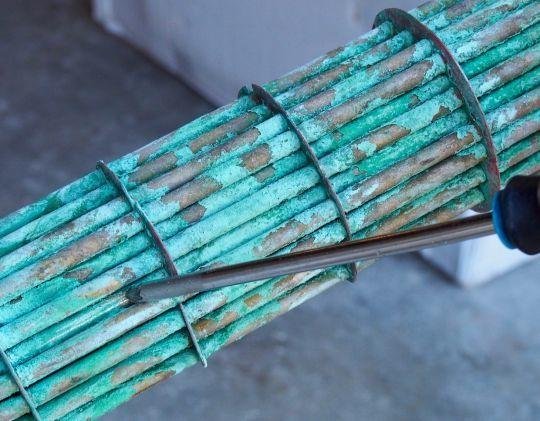
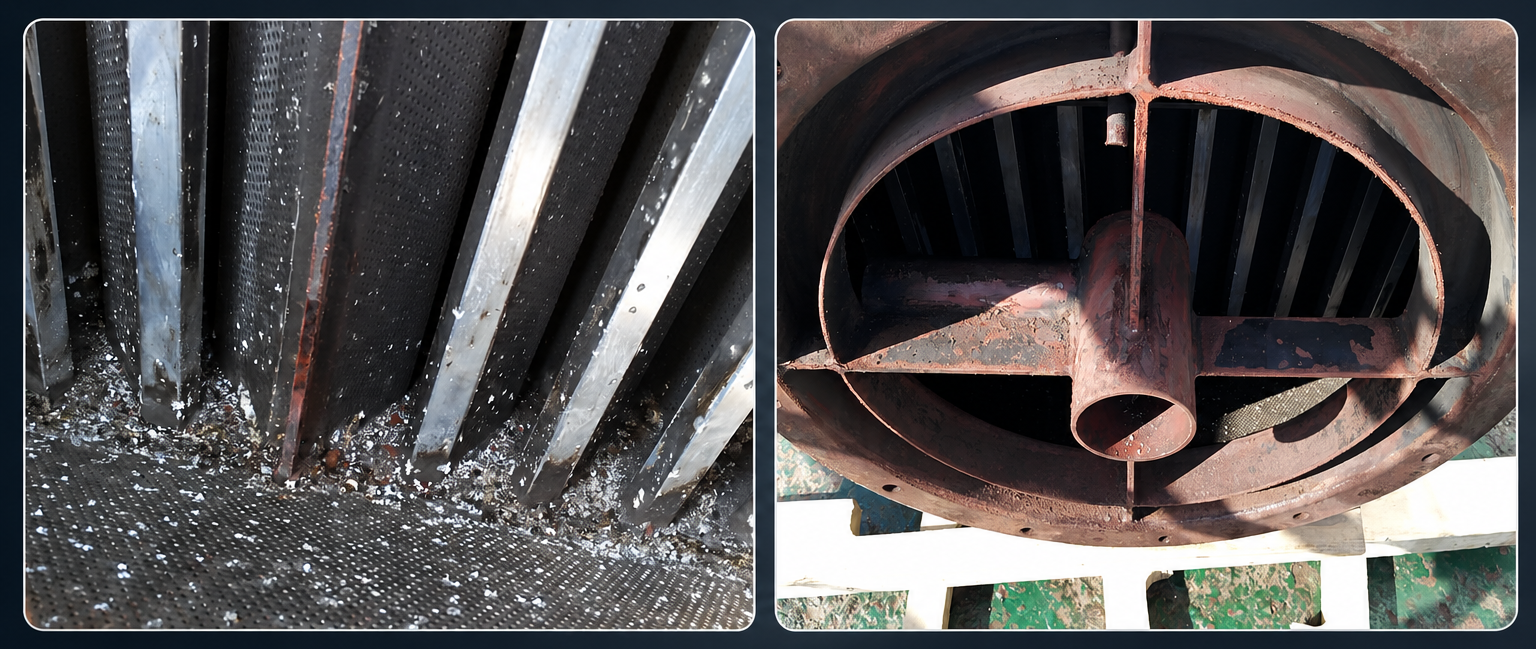
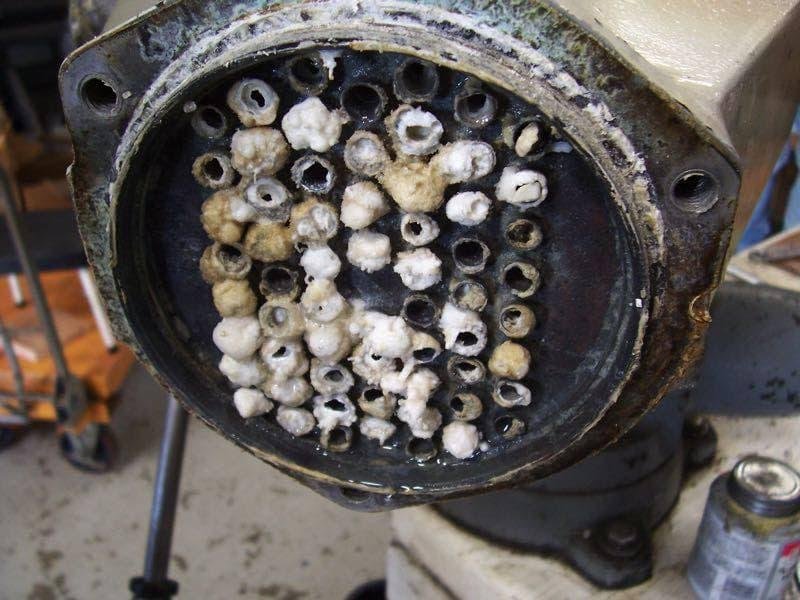
6. Blocked Charge Air Cooler

Symptoms

  • High scavenge air temperature
  • Low air density
  • Poor combustion

Cause

Salt deposits, oil contamination, or marine fouling reduce cooling efficiency.Solution

  • Chemical cleaning
  • Pressure testing
  • Replace damaged tubes
  • Bedplate is a box shaped single construction. It constitutes the main structural members of the engine. The bedplate is used as lubricating oil reservoir and a dipstick is provided to ascertain the level. The bedplate is either welded or cast design. The engine frame is made of cast iron and turbocharger bracket houses an air cooler.

7. Dirty Turbocharger Air Filter

Symptoms

  • Turbocharger RPM decreases
  • Low air intake
  • Engine smoke

Solution

  • Clean filter
  • Replace damaged filter element
  • Inspect intake ducting

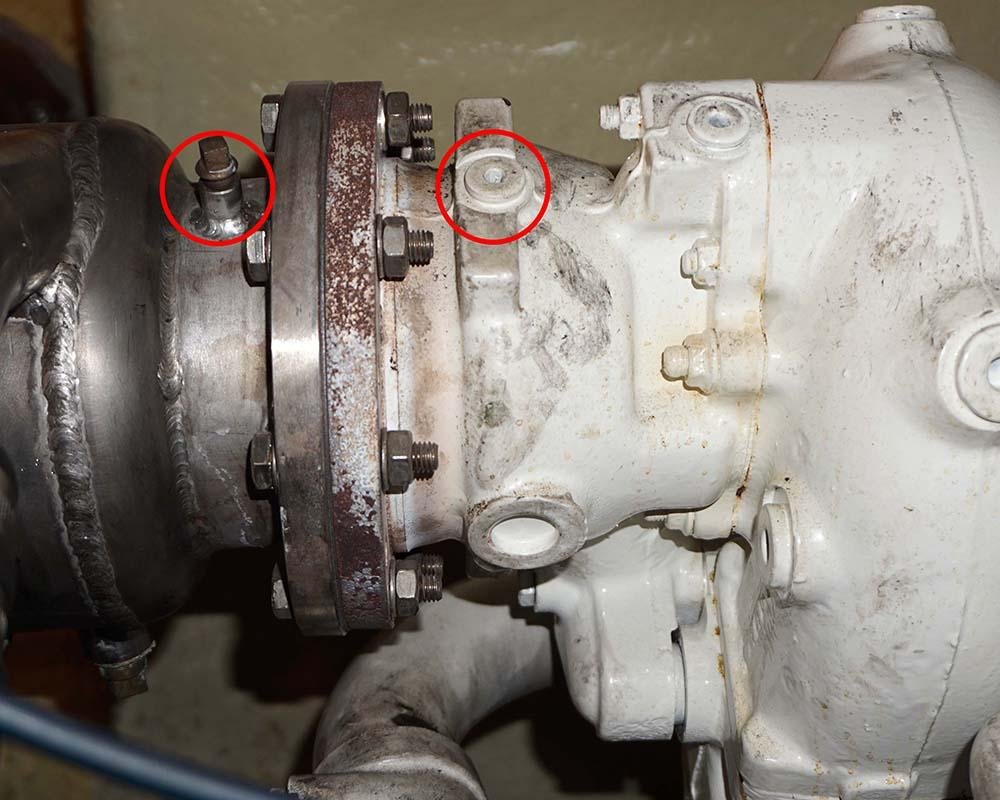
8. Exhaust Gas Leakage

Symptoms

  • Low turbocharger speed
  • High exhaust temperature
  • Reduced engine load

Cause

Exhaust energy is lost before reaching the turbine.

Solution

  • Repair manifold cracks
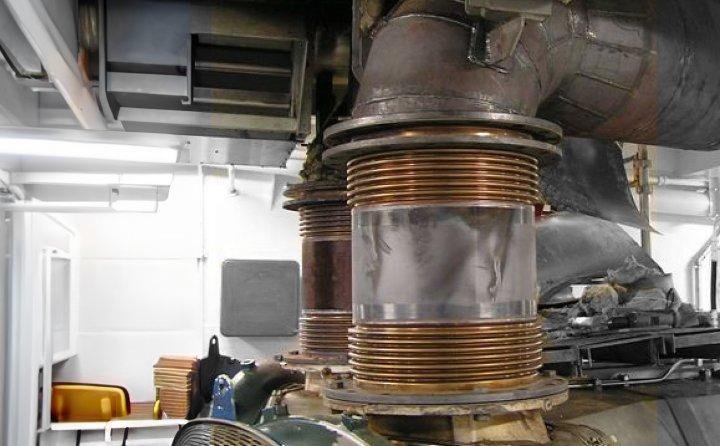
  • Replace expansion joints
  • Tighten flange connections

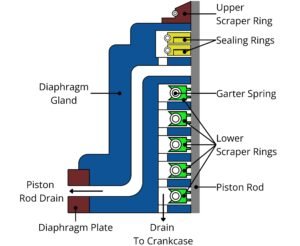
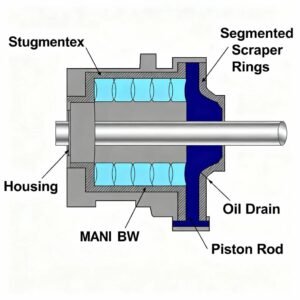
9. Air Leakage from Stuffing Box

Symptoms

  • Low scavenge pressure
  • High crankcase contamination
  • Oil carryover

Solution

  • Renew sealing rings
  • Inspect drain system
  • Replace worn components

10. Turbocharger Bearing Damage

Symptoms

  • High vibration
  • Noise
  • Low boost pressure

Solution

  • Measure bearing clearance
  • Replace bearings
  • Balance rotor
  • Dynamic testing

11. Auxiliary Blower Failure

Symptoms

  • Low scavenge pressure at low load
  • Poor acceleration

Solution

  • Check blower motor
  • Inspect NRV (non-return valve)
  • Test pressure switch

12. Preventive Maintenance Checklist

  • ✔ Clean turbocharger compressor regularly
  • ✔ Wash charge air cooler
  • ✔ Replace intake air filters
  • ✔ Inspect stuffing box
  • ✔ Monitor exhaust temperature trends
  • ✔ Check turbocharger RPM
  • ✔ Inspect scavenge drains
  • ✔ Record daily scavenge pressure readings

13. Why Choose Sindhu Marine?

At Sindhu Marine, we supply high-quality marine engine and turbocharger spare parts for leading brands including ABB/Accelleron, MAN, Mitsubishi (MHI), KBB, Napier, IHI, and Holset. Our extensive product range includes turbocharger service kits, air cooler spare parts, filters, bearings, sealing components, and genuine or OEM engine spares to help ship operators maintain reliable engine performance.


Whether you require technical support, urgent spare parts , Sindhu Marine delivers dependable products with competitive pricing and prompt worldwide service.
Keywords

  • Main engine low scavenge pressure
  • Marine engine troubleshooting
  • Low scavenge air pressure causes
  • Turbocharger troubleshooting
  • Marine diesel engine maintenance
  • Main engine black smoke
  • Turbocharger spare parts
  • Marine engine spare parts supplier UAE
  • Charge air cooler maintenance
  • Marine turbocharger overhaul
Scroll to Top
Get In touch with us
Contact Us