
Working, Types, and Applications Onboard Ships
Marine air compressors play a vital role onboard ship by producing and storing compressed air for various essential operations. From starting the main engine to powering pneumatic tools for maintenance, compressors are among the most crucial pieces of machinery at sea.
Since they operate in harsh marine environments—exposed to moisture, saltwater, and fluctuating temperatures—these compressors must be specially designed to prevent corrosion, equipment failure, and safety hazards.
What Is a Marine Air Compressor?
A marine air compressor compresses atmospheric air, reducing its volume and increasing its pressure. This high-pressure air is stored in air bottles and supplied throughout the vessel for engine starting, control systems, deck operations, and more.
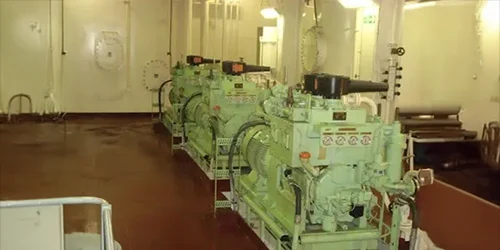
Marine compressors are built to withstand
- High humidity
- Salt-laden atmosphere
- Continuous operation
- Extreme temperatures
Using a compressor not designed for marine conditions can lead to breakdowns, corrosion, and unsafe working conditions.
Types of Air Compressors
Although several types exist, four common compressor designs are:
- Centrifugal Compressor
- Rotary Vane Compressor
- Rotary Screw Compressor
- Axial Compressor
- Reciprocating Air Compressor (most widely used onboard ships)
Onboard ships, reciprocating compressors are preferred due to their rugged design, simple construction, high efficiency, and suitability for producing very high pressure.
Types of Marine Air Compressors Used Onboard
1. Main Air Compressor
- Supplies high-pressure air (up to 30 bar) for starting the main engine and auxiliary and engines.
- Air is stored in air bottles.
- Usually installed in pairs for redundancy
- Also supplies control air via pressure-reducing valves and filters.
2. Topping-Up Compressor
- Maintains system pressure by compensating for air leakage.
- Automatically starts when air pressure drops below the preset level.
3. Deck Air Compressor
- Used for general service air on deck and engine room.
- Operates at 6–8 bar.
- Supports maintenance tasks and pneumatic tools.
4. Emergency Air Compressor
- Used exclusively for emergency starting of auxiliary engines.
- Can be motor-driven or engine-driven.
- If motor-driven, must be connected to the emergency power source.
Uses of Compressed Air Onboard Ships
Engine and Machinery
Compressed air is used throughout the vessel for:
- Starting main engine, auxiliary engine, emergency generator, and fire pump.
- Control and automation air systems.
- Soot blowing of boilers and economizers
Deck & Maintenance Operations
- Chipping, drilling, buffing, spray painting.
- High-pressure water jet cleaning.
- Pneumatic pumps (e.g., Weldon pump).
- General cleaning and mechanical work.
Ship Systems
- Fog horn and ship whistle operation.
- Pressurizing hydrophore system for freshwater supply.
- Aeration of sewage treatment plants.
- Lifeboat air motors (for hoisting arrangements).
Purpose of the Air Bottle (Air Receiver)
The air bottle stores high-pressure air and supplies various onboard systems:
- Starting air for engines
- Control and safety air
- Service air for daily operations
- Air for quick-closing valves
- Spring air for exhaust valves
Air bottles ensure stable and reliable air supply at all times.
Volumetric Efficiency of Compressors
Volumetric efficiency indicates how effectively a compressor draws in air.
Volumetric Efficiency = (Swept Volume of LP Piston) / (Volume of Free Air Discharged)
“Free air” refers to atmospheric air at 15°C.
Causes of Reduced Volumetric Efficiency
- Excessive clearance
- Leaky valves
- Blocked discharge lines
- Fouled intercooler/aftercooler
- Choked intake filters
- Worn piston rings
- High inlet air temperature
- Poor cooling water supply
How to Check Compressor Efficiency During Operation
- Compare filling time with previous records
- Monitor first and second stage pressures
- Check for air leakage at suction filter
- Ensure intercooler and aftercooler outlets are not overheated
- Observe LO consumption
- Check for oily air from breather
- Ensure total compressors can fill empty air bottles within 1 hour
Advantages of Intercoolers in Marine Compressors
Intercoolers reduce the temperature of compressed air between stages.
Benefits include:
- Reduced air temperature and increased density
- Higher compressor capacity and volumetric efficiency
- Improved cylinder lubrication
- Removal of water/oil contamination – preventing corrosion and fire hazards
- Reduced work load on compressor
- Lower thermal stress on materials
Conclusion
Marine air compressors are essential for safe and efficient ship operation. From engine starting to deck maintenance, compressed air supports nearly every critical system onboard.
Choosing the right compressor and maintaining it properly ensures reliability, safety, and long-term performance.
Sindhu Marine FZE supplies high-quality marine air compressor complete unit spare parts, including:
- Complete compressor units
- Valve kits
- Piston rings
- Bearings
- Intercoolers / Aftercoolers
- Safety valves
- Gaskets and overhaul kits
For inquiries or spare parts support, contact Sindhu Marine FZE—your trusted partner in marine engine and compressor solutions.